
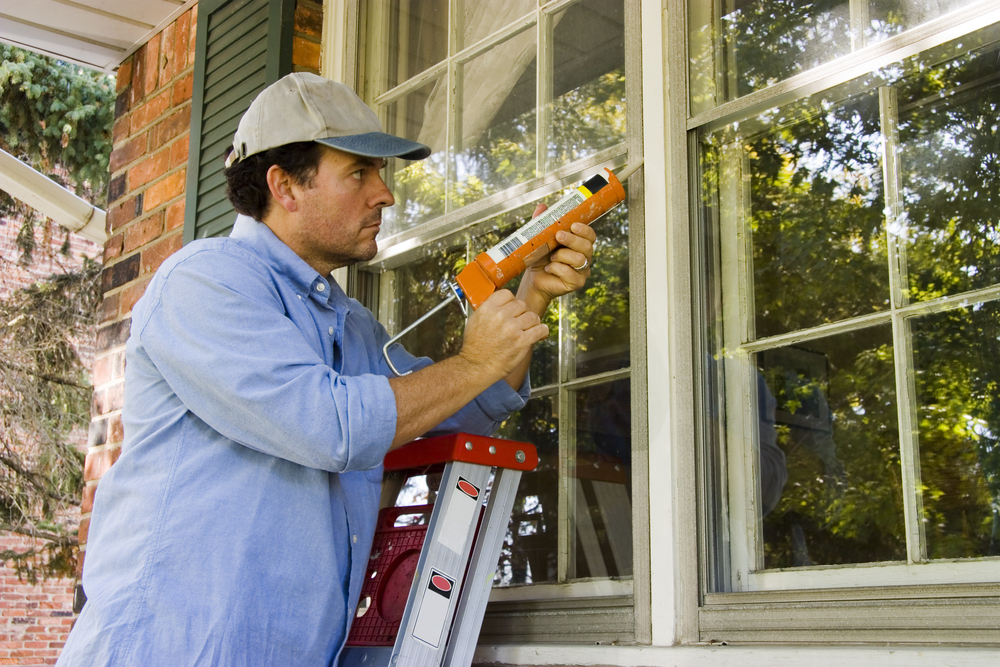
Caulking is a simple yet effective technique for sealing gaps and cracks in your home, helping to improve energy efficiency, prevent water intrusion, and enhance overall comfort. In this comprehensive guide, we’ll cover everything you need to know about caulking, from selecting the right materials to mastering proper application techniques.
Understanding the Importance of Caulking:
Caulking plays a crucial role in maintaining the integrity of your home by sealing gaps and cracks that can lead to air leaks, water intrusion, and energy loss. By creating a tight seal around windows, doors, plumbing fixtures, and other openings, caulking helps to improve energy efficiency, enhance indoor comfort, and prevent costly damage caused by moisture and drafts.
Choosing the Right Caulking Materials:
When it comes to selecting caulking materials, it’s essential to choose the right type for the specific application and conditions. Common types of caulks include:
Silicone Caulk: Suitable for both indoor and outdoor use, silicone caulk is flexible, waterproof, and durable, making it ideal for areas exposed to moisture, such as bathrooms and kitchens.
Acrylic Latex Caulk: Versatile and easy to use, acrylic latex caulk is suitable for general-purpose sealing and can be painted to match the surrounding surfaces.
Polyurethane Caulk: Known for its excellent adhesion and durability, polyurethane caulk is ideal for sealing exterior gaps and cracks exposed to harsh weather conditions.
Butyl Rubber Caulk: With superior water resistance and flexibility, butyl rubber caulk is well-suited for sealing joints and seams in roofing and gutter systems.
Preparing the Surface:
Before applying caulk, it’s crucial to properly prepare the surface to ensure adhesion and long-lasting results. Start by cleaning the area thoroughly to remove dirt, dust, and debris. Use a wire brush or scraper to remove any old caulk or loose material, and wipe the surface with a mild detergent solution to remove grease or oil residue. Allow the surface to dry completely before proceeding with the caulking process.
Mastering Proper Application Techniques:
Achieving a professional-looking caulk bead requires practice and attention to detail. Here are some tips for mastering proper caulking techniques:
Cutting the Tip: Cut the tip of the caulk tube at a 45-degree angle to create a small opening for precise application. Start with a small opening and gradually increase the size as needed.
Applying the Caulk: Hold the caulk gun at a slight angle and apply steady pressure to the trigger as you move along the gap or crack. Use smooth, consistent strokes to ensure even coverage and a uniform bead of caulk.
Smoothing the Caulk: After applying the caulk, use a caulk finishing tool or a damp finger to smooth the bead and remove any excess caulk. Wipe away any excess with a damp cloth before the caulk dries.
Allowing Drying Time: Allow the caulk to dry completely according to the manufacturer’s instructions before exposing it to water or moisture. This will ensure that the caulk forms a tight seal and provides maximum protection against air and water infiltration.
Conclusion:
Caulking is a simple yet effective way to seal gaps and cracks in your home, improving energy efficiency, preventing water intrusion, and enhancing overall comfort. By choosing the right caulking materials, properly preparing the surface, and mastering proper application techniques, you can achieve professional-looking results and enjoy a tighter, more energy-efficient home.
Investing time and effort in caulking now can lead to significant savings on energy bills, prevent costly water damage repairs, and prolong the lifespan of your home’s structural components. Take proactive steps to seal gaps and cracks with caulking and enjoy the benefits of a more comfortable, energy-efficient living environment for years to come.